RTI Scheduler: The Complete Guide to Streamlining Response to Intervention Planning and Student Success
Introduction
An RTI Scheduler has become an essential tool for schools that want to organize intervention programs efficiently while improving student outcomes. Response to Intervention (RTI) is a structured educational framework designed to identify struggling students early and provide targeted academic support before learning gaps become larger. However, managing intervention groups, teacher assignments, and student schedules manually can be time-consuming and prone to errors.
An RTI Scheduler simplifies this process by automating planning, organizing intervention sessions, and tracking student participation. By reducing administrative workload, educators can focus more on teaching and supporting students rather than handling complicated scheduling tasks. This guide explains everything you need to know about RTI Scheduler systems, their features, benefits, and role in promoting student success.
What Is an RTI Scheduler?
An RTI Scheduler is a digital scheduling platform designed to organize intervention and enrichment periods within schools. It helps administrators and teachers assign students to intervention groups based on academic needs while coordinating teacher availability, classroom space, and instructional resources.
Instead of relying on spreadsheets or paper schedules, schools can use an RTI Scheduler to quickly create flexible schedules that adapt to changing student needs throughout the school year.
Understanding Response to Intervention (RTI)
Response to Intervention, commonly abbreviated as RTI, is a multi-tiered educational framework used to identify and support students who need additional academic assistance. The system emphasizes early intervention through regular assessments and evidence-based instruction.
RTI generally operates through multiple levels of support, beginning with classroom instruction for all students and progressing toward increasingly intensive interventions for learners who require extra assistance.
Why Schools Need an RTI Scheduler
Implementing RTI successfully requires constant adjustments as student performance changes over time. Without a structured scheduling system, teachers often spend significant time organizing intervention groups, communicating assignments, and tracking attendance.
An RTI Scheduler automates these responsibilities, allowing educators to update schedules quickly while ensuring every student receives the support they need without disrupting the regular school timetable.
Key Features of an RTI Scheduler
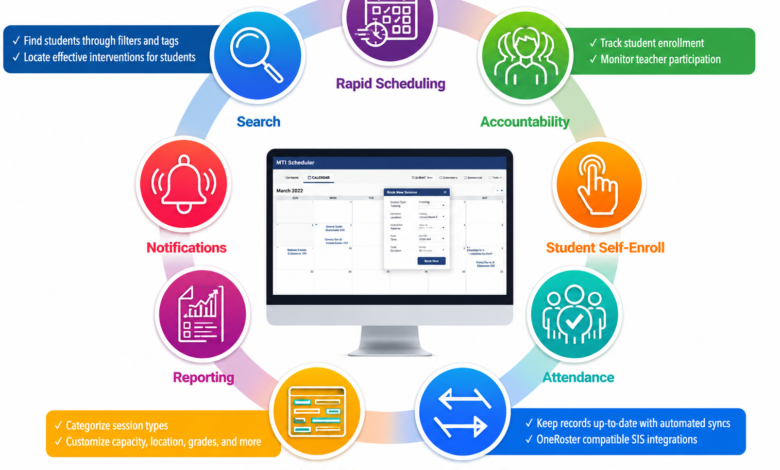
Modern RTI Scheduler platforms include numerous features that simplify intervention management. Schools can create intervention sessions, assign teachers, establish classroom capacities, and organize student groups based on assessment results.
Many systems also provide attendance tracking, progress monitoring, reporting tools, teacher communication features, and customizable scheduling options that fit each school’s unique educational model.
Flexible Scheduling for Student Needs
One of the biggest advantages of an RTI Scheduler is flexibility. Student intervention needs change as academic performance improves or additional support becomes necessary.
Teachers and administrators can easily modify intervention groups weekly or even daily without rebuilding the entire school schedule. This flexibility ensures instructional time is used effectively while responding quickly to changing student requirements.
Improving Teacher Collaboration
Successful intervention programs depend on teamwork among classroom teachers, intervention specialists, counselors, and administrators. An RTI Scheduler improves communication by providing a centralized platform where everyone can access current schedules and assignments.
Teachers can coordinate interventions more effectively, reducing scheduling conflicts and ensuring students receive consistent academic support across multiple subjects.
Supporting Data-Driven Decision Making
RTI relies heavily on educational data to identify struggling learners and monitor progress over time. Scheduling software often integrates student performance information with intervention planning.
By combining assessment data with scheduling tools, educators can make informed decisions about which students require intervention, how frequently support should occur, and when students are ready to return to standard classroom instruction.
Attendance Tracking and Accountability
Tracking attendance during intervention sessions is critical for evaluating program effectiveness. RTI Scheduler systems often include built-in attendance features that record student participation automatically.
These records help schools identify attendance patterns, monitor intervention consistency, and provide accountability for teachers and administrators responsible for delivering instructional support.
Managing Multiple Intervention Groups
Many schools operate multiple intervention groups simultaneously across different grade levels and subject areas. Coordinating these sessions manually can quickly become overwhelming.
An RTI Scheduler simplifies this complexity by automatically organizing students into appropriate groups while considering teacher availability, classroom capacity, grade level, and instructional focus.
Enhancing Student Learning Outcomes
The primary goal of any RTI Scheduler is improving student achievement. By ensuring interventions are delivered consistently and efficiently, schools can provide timely academic assistance before learning challenges become severe.
Students receive targeted instruction that addresses individual weaknesses, increasing confidence, academic growth, and overall classroom performance.
Saving Administrative Time
School administrators often spend countless hours organizing intervention schedules, updating assignments, and resolving conflicts. Scheduling software dramatically reduces this workload through automation.
Instead of manually adjusting spreadsheets or paper schedules, administrators can generate new intervention plans in minutes, saving valuable time that can be redirected toward instructional leadership.
Benefits for Teachers
Teachers benefit significantly from RTI Scheduler systems because scheduling responsibilities become simpler and more organized. They receive clear student assignments, intervention objectives, and attendance records within one centralized platform.
This efficiency allows educators to spend more time preparing instructional materials and working directly with students rather than managing logistics.
Benefits for Students
Students also gain important advantages from organized intervention scheduling. They know exactly where to report during intervention periods and receive support tailored to their individual academic needs.
Well-organized intervention programs reduce confusion while increasing consistency, making it easier for students to engage actively in learning opportunities designed specifically for them.
Benefits for School Leadership
School principals and district leaders require accurate data to evaluate intervention effectiveness and resource allocation. RTI Scheduler systems provide comprehensive reports on participation rates, intervention frequency, attendance, and scheduling efficiency.
These reports support better decision-making and allow leadership teams to identify areas where instructional support can be strengthened.
Integrating RTI with MTSS
Many schools now implement Multi-Tiered Systems of Support (MTSS), which expands RTI by including academic, behavioral, and social-emotional interventions. RTI Scheduler software can support these broader educational frameworks by organizing multiple intervention categories within one scheduling system.
This integration helps schools provide comprehensive support while maintaining efficient scheduling processes across departments.
Challenges Without an RTI Scheduler
Schools that rely solely on manual scheduling often encounter problems such as overlapping assignments, inconsistent intervention delivery, communication breakdowns, and administrative overload.
These challenges may reduce instructional effectiveness and delay support for students who need timely intervention. Automated scheduling significantly reduces these risks while improving organizational efficiency.
Choosing the Right RTI Scheduler
When selecting an RTI Scheduler, schools should consider customization options, reporting capabilities, ease of use, integration with existing student information systems, and flexibility for changing intervention needs.
The ideal solution should support collaboration, simplify scheduling, and provide meaningful data that helps educators make informed instructional decisions.
The Future of RTI Scheduling Technology
Educational technology continues evolving rapidly, and RTI Scheduler platforms are becoming increasingly intelligent. Future systems may incorporate artificial intelligence, predictive analytics, automated intervention recommendations, and enhanced data visualization tools.
These innovations have the potential to further improve intervention planning while allowing educators to respond even more effectively to student learning needs.
Conclusion
An RTI Scheduler plays a vital role in modern education by simplifying intervention planning, improving collaboration, and ensuring students receive timely academic support. Through automation, flexible scheduling, attendance tracking, and data-driven planning, these systems reduce administrative workload while enhancing educational outcomes.
As schools continue emphasizing personalized instruction and early intervention, RTI Scheduler technology will remain an important resource for supporting teachers, administrators, and students alike. By streamlining the logistics of intervention programs, schools can devote more energy to what matters most—helping every student achieve academic success.
